New multicultural disaster preparedness resources available

Woman sitting at a table looking slightly concerned at a laptop with papers in hand.
On this page

New multicultural disaster preparedness resources available

Woman sitting at a table looking slightly concerned at a laptop with papers in hand.
Written
  • Preparedness

With the Higher Risk Weather Season approaching, it’s important to make sure all communities can prepare for, respond to and recover from disasters.  

To support this, Get Ready Queensland has developed a range of resources to help culturally and linguistically diverse (CALD) communities prepare for and build resilience to severe weather events.

The project was funded through NEMA’s Disaster Risk Reduction Package and led by Get Ready Queensland in consultation with jurisdictions across Australia.
Accessibility in emergency management

Through this project, CALD communities have access to critical disaster preparedness information in 10 languages, helping more people understand how to prepare for natural hazards. The resources are also available in Easy Read format, making them more accessible for people with low literacy.

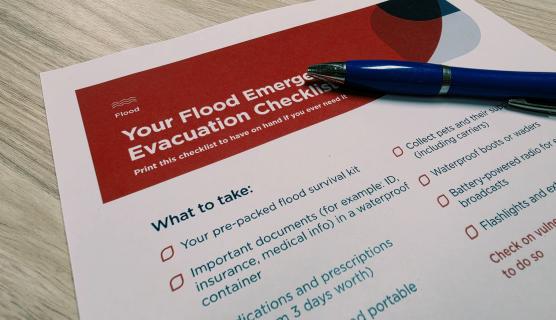
The resources provide practical guidance on Australia’s 7 most common natural hazards: bushfires, floods, cyclones, storms, heatwaves, earthquakes and tsunamis. A range of materials is available, including videos, factsheets, posters and digital resources.

Working with communities

Consultation has been a large part of this work. Input was received from 155 native-speaking community members across various national workshops. Targeted community, government and sector advisory groups were also involved.

Find the resources in your language:

You will also find information on how to use, adapt, promote and distribute the videos and other resources within your community.

This work will help more people in Australia understand risk and prepare for disasters, improving public safety in times of crisis.

By making preparedness information available in more languages and accessible formats, communities can take practical steps to understand their risks, make a plan and feel more confident before severe weather strikes.