Exercise Nexus 2026: Putting our preparedness to the test

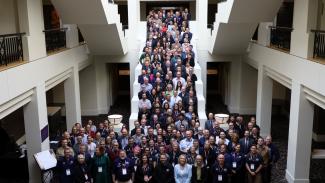
Large group photo of over 150 people on a staircase and spilling out in front of the staircase inside a hotel atrium area.
On this page

Exercise Nexus 2026: Putting our preparedness to the test

Large group photo of over 150 people on a staircase and spilling out in front of the staircase inside a hotel atrium area.
Written
  • Resilience and risk reduction
  • Preparedness

Every year, communities face a range of challenges from severe weather and bushfires to floods, cyber incidents, public health emergencies and infrastructure disruptions. As these events become more frequent and complex, it is essential that we are ready to respond.

One of the most effective ways we prepare is through crisis exercising.

Crisis exercising helps us work through realistic scenarios and test our ability to adapt under pressure. These exercises provide valuable opportunities to practice communication, coordination and decision-making before a real emergency occurs.
Exercise Nexus

This year, Exercise Nexus took place in Canberra from 3-5 June 2026. It brought together over 260 partners from Australian and state government agencies, along with 30 industry and non-government organisations.  

Participants tested crisis management arrangements, putting policy into practice in real time through a compounding and complex scenario.  

The scenario consisted of multiple consecutive, concurrent and compounding events ranging from widespread monsoonal flooding in northern Australia to transport incidents involving radiological materials in South Australia.  

From managing localised disasters like landslides and industrial explosions, to nation-wide telecommunications disruptions, testing plans, processes, and decision-making helped to identify what is working well and where improvements are needed.

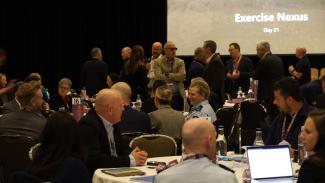
Photo of the conference with groups of people sitting at round tables, some with laptops in front of them, and some people standing up and mingling in the background. A large screen at the back has Exercise Nexus Day 1 on it.

Keeping communities safe

At the heart of every crisis exercise is the goal of protecting people.

By preparing together, we improve our ability to:

  • share information quickly and accurately
  • coordinate resources and support
  • make timely and informed decisions
  • maintain essential services
  • support affected communities during and after an emergency.

The better prepared we are before a crisis, the better positioned we are to respond to and recover from its impacts.

Deputy Coordinator-General Katarina Carroll said, ‘Preparation and exercising is so incredibly important to make sure we are ready for anything that may occur across this nation of ours.’

Identifying strengths and areas for improvement

One of the most valuable outcomes of any crisis exercise is the opportunity to learn.  

Exercises also highlight areas for improvement, such as gaps in plans, resource limitations, clarity of responsibilities, or opportunities to improve information sharing.

Our National Crisis Exercising and Lessons Capability team will gather insights from Exercise Nexus to inform ongoing capability development and strengthen national arrangements.  

These insights will support organisations to make practical improvements and strengthen preparedness over time.

Building a resilient nation

Preparedness is a shared responsibility.

As risks continue to evolve, crisis exercising remains a critical tool for strengthening national capability. By testing plans, learning from experience, and working together across agencies and sectors, we can improve our collective readiness and build more resilient communities.

Exercise Nexus reinforced that investment in preparedness not only strengthens our ability to protect communities and respond effectively when it matters most, but also builds the relationships across jurisdictions, sectors, and organisations that are essential to effective national response.