Embedding First Nations knowledge into Round Four of the Disaster Ready Fund

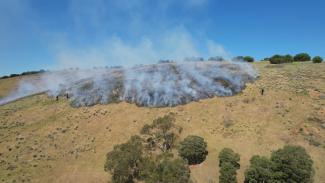
Photo credit: Kauwi-marnirla Hillside Burn. Picture by Rayne Simpson. Photo supplied by Foundation for National Parks and Wildlife.

Photo credit: Kauwi-marnirla Hillside Burn. Picture by Rayne Simpson. Photo supplied by Foundation for National Parks and Wildlife. 

On this page

Embedding First Nations knowledge into Round Four of the Disaster Ready Fund

Photo credit: Kauwi-marnirla Hillside Burn. Picture by Rayne Simpson. Photo supplied by Foundation for National Parks and Wildlife.

Photo credit: Kauwi-marnirla Hillside Burn. Picture by Rayne Simpson. Photo supplied by Foundation for National Parks and Wildlife. 

Written
  • Resilience and risk reduction
  • Preparedness
  • News

First Nations peoples have lived on and cared for Country across Australia for tens of thousands of years. This long connection has built deep knowledge of land, water, fire, weather and community. This knowledge helps people understand how Country changes, where risks are highest, and how to stay safe during extreme weather.

As Australia faces hotter days, larger bushfires, flooding and cyclones, this knowledge is more important than ever.  
Why First Nations voices matter in disaster preparedness

First Nations voices are critical in disaster planning to understand which places are culturally important, where support may be needed, and how to respond in ways that respect community and culture.

The Disaster Ready Fund (DRF) recognises this by supporting Indigenous‑led and place‑based projects. These projects are designed with communities and focus on preparing for disasters before they happen.  

Round Four of the DRF is open for applications from 29 May to 1 July 2026. 

To date, a total of $90 million has been committed under the DRF to 31 projects being led by or delivered in partnership with First Nations-led organisations.  

Round Four is focussing on long term changes and benefits to build resilience in communities and ensure the safety of all Australians. See the First Nations Fact Sheet for more information.  

Reduced co‑contribution requirements

Projects led by Indigenous organisations have a lower co‑contribution requirement. This means the co-contribution requirement is reduced from 50% to 10%. The co‑contribution can be money or in‑kind support, such as staff time, equipment, or materials. The 10% cannot come from Commonwealth Government funding, but Indigenous organisations can partner with other organisations or governments, who can provide the co‑contribution on their behalf. 
 

Projects making a real difference

DRF projects across Australia show how First Nations knowledge is improving disaster preparedness.

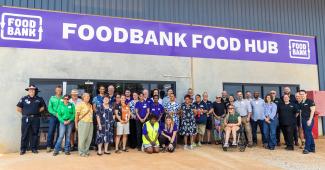
Foodbank have recently opened their new Hub in Katherine, NT, providing food security and access for local communities.  

Foodbank Food Hub opening in Katherine, Northern Territory

Foodbank Food Hub opening in Katherine, Northern Territort

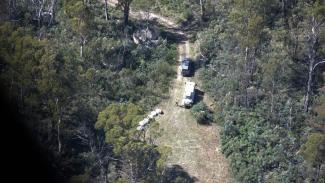
In the ACT, funding supported the protection of Ngunnawal cultural sites in Tidbinbilla Nature Reserve. This project helps protect important cultural places from damage caused by natural disasters, ensuring these sites are preserved for future generations. 

A helipad drop site with supplies in Tidbinbilla Nature Reserve, Australian Capital Territory.

A helipad drop site with supplies in Tidbinbilla Nature Reserve, Australian Capital Territory. 

Photo caption: A helipad drop site with supplies in Tidbinbilla Nature Reserve, Australian Capital Territory.  

On Palm Island, Round One funding supported pre-construction works for a multipurpose facility that will meet cyclone standards. Funding under Round Three will support the construction of the 800-person cyclone shelter. The shelter will provide a safe place for people during severe weather. Outside of emergencies, it also works as a multipurpose community facility, supporting connection and wellbeing.

Several projects focus on fire management using Indigenous knowledge. In Adelaide’s south-eastern Park Lands, cultural burning projects demonstrate how traditional fire practices can reduce bushfire risk while caring for Country. The Igniting Kaurna Cultural Understanding for All at Field River project, funded in Round 2, supported the Kaurna Firesticks Team to develop their knowledge, capacity and reach with traditional land management practice.  

Photo credit: Kauwi-marnirla Hillside Burn. Picture by Rayne Simpson. Photo supplied by Foundation for National Parks and Wildlife.

Photo credit: Kauwi-marnirla Hillside Burn. Picture by Rayne Simpson. Photo supplied by Foundation for National Parks and Wildlife. 

Other projects focus on planning and skills. The Aboriginal Communities Emergency Management Program supports communities to identify disaster risks and develop place‑based emergency plans. These plans reflect local priorities and help protect Elders, children and critical infrastructure during disasters.

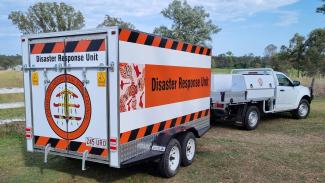
In Cherbourg, Queensland the development and implementation of the Cherbourg Disaster Early Warning System received funding in Round One. This flood detection and warning system provides the Cherbourg community with flood warning sirens and essential resources to help them stay informed and act quickly during severe weather. It effectively communicates potential flood threats, even during power outages and disruptions to digital communication lines.

By enabling the Cherbourg community to make the right decisions during severe weather, it helps residents feel supported and prepared in the face of unpredictable weather. 

Photo credit: The Cherbourg Aboriginal Shire Council Disaster Trailer, which includes a mobile BBQ trailer, portable diesel fuel pump, backup generators, and warning sirens.

Photo credit: The Cherbourg Aboriginal Shire Council Disaster Trailer, which includes a mobile BBQ trailer, portable diesel fuel pump, backup generators, and warning sirens.

Together, these projects show that when First Nations voices lead disaster preparedness, communities are safer, risks are reduced, and Country and culture are preserved.

Find out more about applying for Round Four of the Disaster Ready Fund or view the First Nations Fact Sheet.