AusAlert national test a success

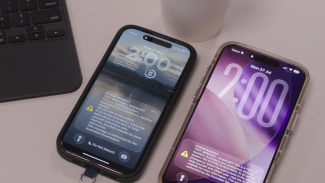
Photo of 2 smartphones on a desk, both showing 2pm and the AusAlert national test on screen.
On this page

AusAlert national test a success

Photo of 2 smartphones on a desk, both showing 2pm and the AusAlert national test on screen.
Written
  • News
  • Preparedness
  • Response

In October, AusAlert will become a key part of Australia’s public emergency warning ecosystem.

To be sure AusAlert works at scale, and as it is intended, we’ve tested it across the country.

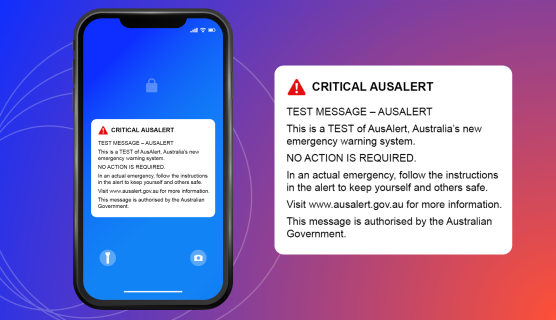
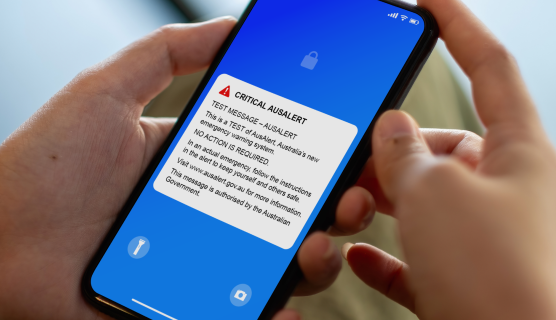
On Monday 27 July, we successfully completed a national test of the AusAlert system. A test Critical Alert was sent to every compatible mobile device in Australia.

94% of mobile cells in Australia successfully broadcast the test alert – this was above our target for the national test.

During the national test there were:

  • no reported incidents of public safety concern attributed to the test
  • no material changes in driver behaviour observed
  • no material increases in calls to Triple Zero.

These are preliminary results. We'll continue to work with our partners to review the results from the national test as they become available and consider any findings as part of preparations for the system's launch in October.

If you didn’t receive a test alert, this does not mean the test was unsuccessful. Your device might not be compatible with AusAlert, or your devices may not have the latest software update. It is also possible your mobile device was not connected to a mobile network at the time of the test. If you want to give feedback, you can fill in the form on the AusAlert website.

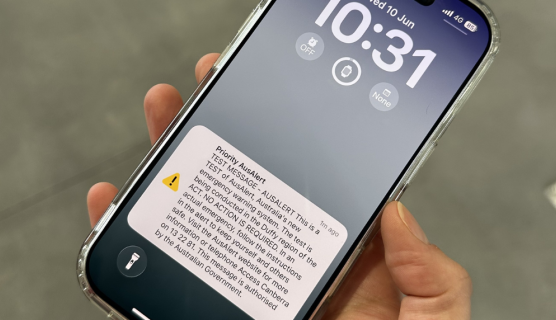
In June, we successfully tested Priority Alerts in nine communities, including at least one location in each state and territory.

Testing is now complete and AusAlert will be ready to use from October this year.

If they choose to, state and territory emergency services organisations will be able to use AusAlert to send fast, clear messages to the public about local and regional emergencies. Some states and territories may opt to use both AusAlert and the existing SMS-based system, Emergency Alert, while they become accustomed to the new technology, before completing the transition by July next year.

The Australian Government can also use AusAlert to send messages to the public about national emergencies.
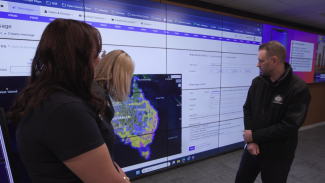
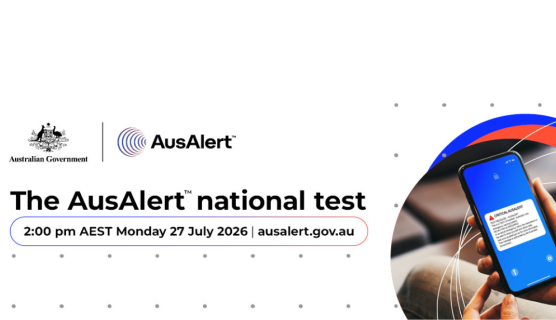
Photo of ICG Pat Hetherington in front of floor to ceiling screens displaying a map of Australia and text fields. He is talking to 2 other people, looking at the screens.

Interim Coordinator-General Pat Hetherington (right) going through some of the pre-checks for the AusAlert national test in the National Situation Room.

Receiving an AusAlert message

AusAlert will launch in October 2026.

If you receive an AusAlert, you should:  

  • read the message when it’s safe to do so
  • tell others, including family and people nearby
  • follow the instructions in the message
  • continue to monitor local TV, radio, emergency apps and websites for updates about the emergency.

Remember, your device may vibrate and play a siren-like warning sound for about 10 seconds. An AusAlert message will display the alert level:

  • Critical Alert: This is the highest level of warning. You may be in danger. You should act immediately. Your device will sound the siren and vibrate even if your device is on ‘silent’ or ‘do not disturb’,
  • Priority Alert: There is a high level of threat. Conditions are changing. Watch and act. Your device won’t vibrate or make the sound if it’s on ‘silent’ or ‘do not disturb’. You can opt out in your device settings. 

Turning off Critical Alert messages

Critical Alerts cannot be disabled on your device. Turning off AusAlert notifications in your device settings will not stop a Critical Alert from being delivered. The only way to not receive a Critical Alert is to turn your mobile device off or switch it to aeroplane mode.

Remember, AusAlerts contain important information and should be turned on to keep you safe and informed during disasters.

Read more about turning AusAlert messages off.

For more information, visit ausalert.gov.au.