Connected when it counts: Australia gets ready for the coming Higher Risk Weather Season

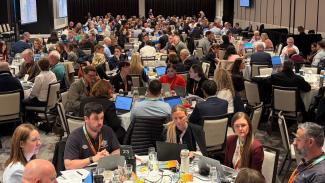
Photo of a large room of about 300 people seated at tables with laptops.
On this page

Connected when it counts: Australia gets ready for the coming Higher Risk Weather Season

Photo of a large room of about 300 people seated at tables with laptops.
Written
  • Preparedness

Keeping emergency management connected

Australia cannot predict exactly when or where the next emergency or disaster will happen. But we can prepare for it together.

That was the focus of this year’s annual National Preparedness Summit, held in Canberra on 9 and 10 September ahead of the 2026–27 Higher Risk Weather Season.

The two-day event brought more than 300 people from all levels of Australian governments, emergency services organisations, industry and the not-for-profit sector. Their shared goal was to look beyond individual organisations and traditional borders on the map to consider how Australia’s emergency management system can work together most effectively when communities need support.
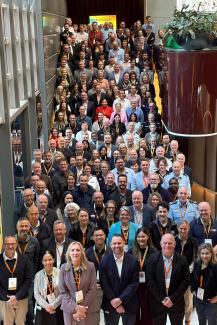
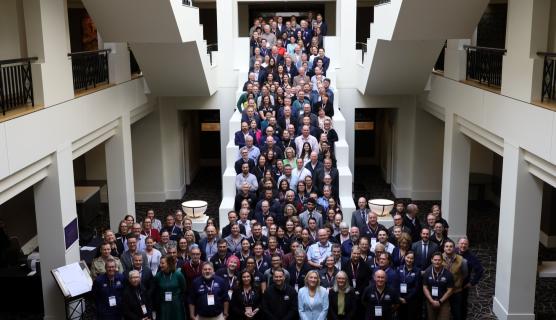
Large group photo of summit attendees packed on a staircase.

More than 300 people came together for the annual Summit on 9 and 10 September in Canberra.

The timing matters. Even though Australia can experience sever weather events at any time, Australia’s Higher Risk Weather Season typically runs from October to April, bringing an increased risk of bushfires, heatwaves, thunderstorms, flooding and tropical cyclones. Recent emergencies have also shown how disruption can spread quickly across communities, supply chains, essential services and the economy.

Learning from recent events

The Summit began by examining recent events that tested Australia’s crisis arrangements in new and unexpected ways.

A keynote presentation explored the repatriation of Australians following the Hantavirus outbreak and the flow-on effects of a fuel supply disruption in remote First Nations communities.

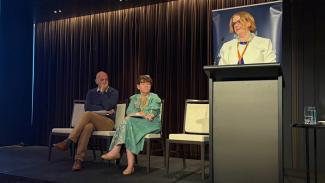
Photo of a woman speaking at a lectern and a man and a woman sitting on the stage next to her watching her present.

Presentations about recent crises gave attendees much to consider as preparations ramp up for the HRWS.

These events reinforced an important lesson: the initial emergency is often only the beginning. Effective preparation means understanding who may be affected next, which services could be disrupted and what coordination will be needed across governments, businesses and community organisations.

Breakout sessions took that discussion further, covering:

  • local government experience and needs
  • sustaining the emergency management workforce
  • lessons from First Nations communities in the Northern Territory
  • the growing impacts of more frequent and intense heatwaves
  • technology that can support emergency management
  • the complexity of operating in a recovery environment.

Together, these conversations gave participants an opportunity to share practical experience, identify gaps and strengthen the relationships they may rely on during a crisis. 

Putting plans to the test

On day two, participants moved from discussion to action through a national preparedness exercise. 

Photo of people sitting around a round table with laptops.

This year’s Summit included an exercise where attendees put their preparedness to the test by working through a scenario linked to this season’s outlook.

Working through a complex scenario, they tested their plans, decision-making and connections across sectors. Exercises like this create a safe environment to ask the difficult questions before a real event: Who needs to be involved? Is information moving quickly enough? Where are the pressure points? What needs to change now?

The aim is not to predict the next disaster. It is to make sure Australia’s systems and partnerships are ready to adapt when the unexpected happens.

Understanding the season ahead

Participants also received the latest seasonal outlook from the Bureau of Meteorology, helping organisations consider the conditions and hazards communities may face over the coming months.

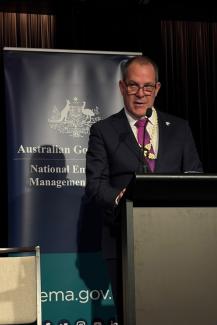
Photo of man in a suit speaking from a lectern with a NEMA banner behind him.

Attendees heard from Stuart Minchin from the Bureau of Meteorology on the latest seasonal outlook.

The latest outlook is mixed – parts of eastern and southern Australia look set to see below average rainfall this spring, while parts of western and northern Australia might see above average rainfall.  

Daytime and nighttime temperatures are likely to be above average for most of the country, too.  

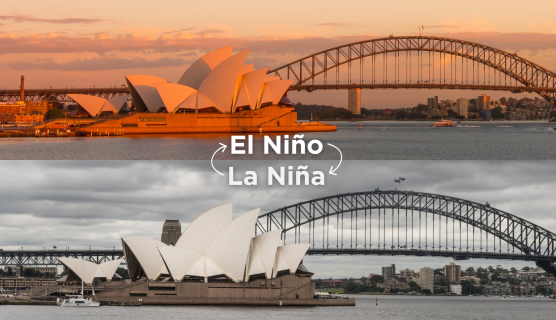
A strong El Niño is firmly established. All models, including the bureau's, forecast the tropical Pacific to continue warming through the southern hemisphere spring, likely peaking in late spring or summer. Read more about El Niño.  

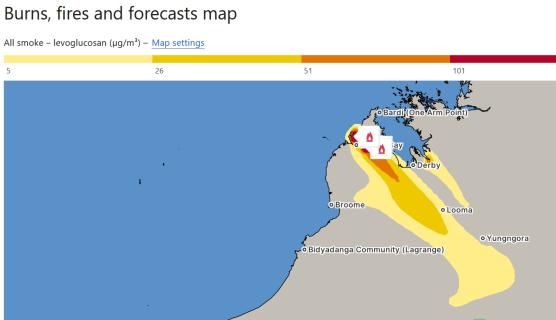
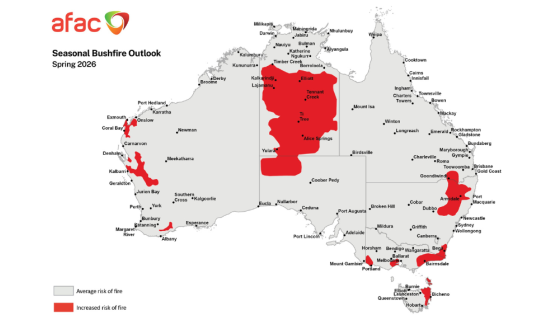
Parts of Australia are already expected to face an increased bushfire risk this spring. Seasonal outlooks cannot tell us exactly where or when an emergency will happen, but they provide valuable information to support early planning and preparedness. 

NEMA’s role in national preparedness

The National Emergency Management Agency leads national coordination and provides additional Australian Government support when state and territory resources are stretched.

The Summit is one part of NEMA’s broader National Preparedness Program. Throughout the program, NEMA brings together governments, emergency services, industry and community organisations through targeted briefings, leadership engagement and national coordination activities.

This work helps partners build a shared understanding of risk, clarify roles, strengthen national capabilities and identify issues before they become crises.  

Preparedness does not happen in a single meeting, and it is not the responsibility of one organisation. It is built over time through strong relationships, shared information and practical action.

The Summit helped turn lessons into action, ensuring the people and organisations supporting Australian communities are better connected before the season begins.

Read more about the National Preparedness Program