More than a form: Building stronger partnerships for emergency response

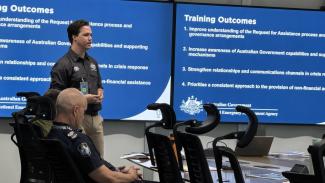
Man presenting in front of slides with 'Training Outcomes' on it.
On this page

More than a form: Building stronger partnerships for emergency response

Man presenting in front of slides with 'Training Outcomes' on it.
Written
  • Preparedness

When disasters strike Australian communities, clear processes and strong working relationships help governments and agencies coordinate support. Our nationwide Request for Assistance (RFA) training program brings these elements together, helping participants understand the process and build connections before an emergency occurs.

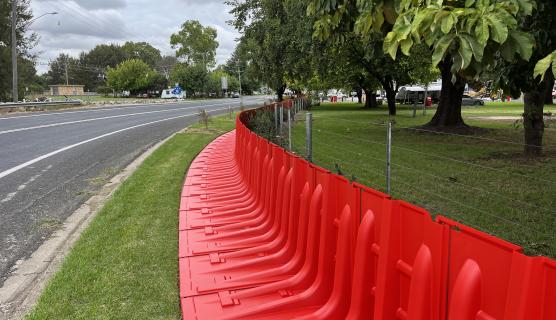
The RFA process allows a state or territory to request non-financial assistance from the Australian Government during or immediately after a disaster. This often includes requests for temporary accommodation for frontline firefighters, emergency generators to maintain power after a severe storm, or sandbags and barriers to reduce flood impacts.
Supporting a nationally consistent approach

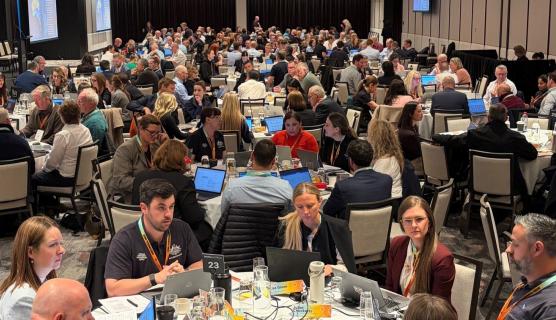
The training program brings together representatives from state and territory governments, the Australian Government, the Australian Defence Force and other key stakeholders. Through practical exercises and scenario-based learning, participants build a shared understanding of how Australian Government assistance is requested and coordinated during emergencies.

The program promotes a nationally consistent approach to requesting and coordinating Australian Government assistance when communities need it most.

The National Emergency Management Agency’s (NEMA) Crisis Planning team developed the training program in collaboration with other government agencies and emergency management networks. The program builds understanding of the RFA process and provides opportunities for agencies to collaborate.

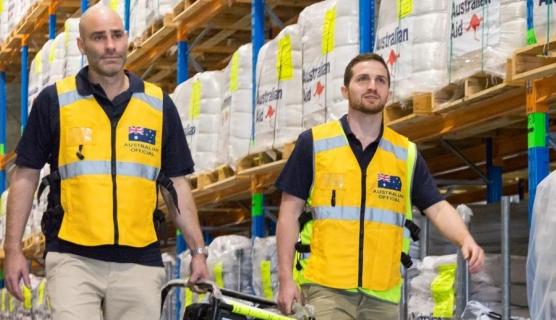
The program has 3 main parts: training content delivered by our Crisis Planning team, practical scenarios tailored to each jurisdiction, and guest presenters from our National Emergency Management Stockpile (NEMS) capability team and the Australian Defence Force. 

Bringing emergency management processes to life

Tailored, realistic scenarios bring the RFA process to life, allowing participants to apply what they have learned to situations similar to those they may encounter during an emergency.

Working closely with jurisdictional partners, NEMA developed practical tabletop exercises that reflect local contexts while reinforcing national coordination arrangements. For example, training in Queensland includes tropical cyclone and storm scenarios, while training in South Australia might focus on heatwaves and bushfires.  

Senior Planning Officer Josh Milton said, “Participants consistently told us that the greatest value came from applying that knowledge in realistic situations, working through the same challenges, decisions and pressures they may face during a real crisis.”  

The exercises also provide an opportunity for agencies to better understand each other's roles, responsibilities and operating environments.

“Participants aren't just learning a process. They're building relationships, sharing experiences and gaining a better understanding of how different agencies work together,” Josh said.

By discussing scenarios face-to-face, asking questions and learning from one another, participants develop the trust, confidence and professional networks that are critical when real events occur.

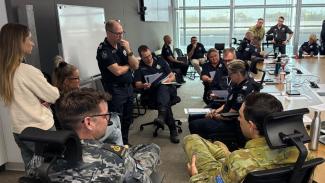
Photo of a group of people in chairs and standing, not around a table, whiteboard in background, some people are wearing Defence uniforms.

RFA training session in Queensland.

Preparing for future emergencies

As Australia continues to face increasingly complex natural hazards and emergency events, preparedness remains a key priority.

The nationwide rollout helps agencies understand the assistance process and clarify roles, responsibilities and expectations before support is needed. This reduces uncertainty and delays when time is of the essence.

“The training ensures that jurisdictions and NEMA are ready to work together efficiently when Australian Government assistance is required,” Josh said.

Building capability through partnership

While the program strengthens understanding of the RFA process, its broader value lies in the relationships and partnerships it helps build across Australia's emergency management sector.

“Ultimately, the training is about more than understanding a process or how to fill out an RFA form,” Josh said.

“It's about investing in people and partnerships so that when assistance is required, jurisdictions and NEMA can work together to deliver support to affected communities, because that's really what we're all here to do.”

The RFA training program is one way NEMA brings governments and agencies together to prepare for emergencies. By building relationships and a shared understanding before disasters occur, NEMA helps turn a formal request into coordinated support for communities when they need it most.