AusAlert is now operational

Image with blue-purple-red gradient background, white AusAlert logo at top left, the slogan "Helps keep you informed" at bottom left and a large white AusAlert logo graphic of radiating broadcast lines at right and bleeding off the right and bottom edges.
On this page

AusAlert is now operational

Image with blue-purple-red gradient background, white AusAlert logo at top left, the slogan "Helps keep you informed" at bottom left and a large white AusAlert logo graphic of radiating broadcast lines at right and bleeding off the right and bottom edges.
Written
  • Response

Australia’s new national warning system, AusAlert, is operational and ready to help keep Australians safe through the 2026–27 Higher Risk Weather Season (HRWS).  

AusAlert uses cell-broadcast technology to send emergency messages to compatible mobile devices during local and national disasters.  

Read more about AusAlert and how the system works.  

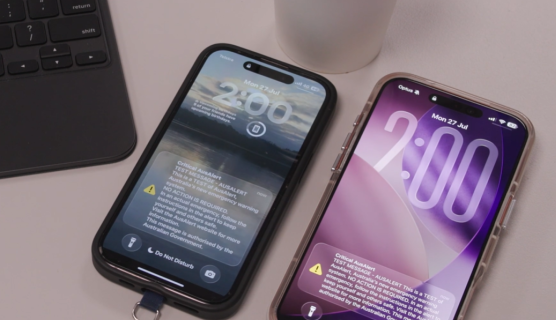
We’ve tested the AusAlert system to make sure it works as intended. In June, we successfully tested the system in 9 communities across Australia and in July it was successfully tested nationally. 
Who can send AusAlerts?

Only authorised emergency services organisations and the Australian Government can send AusAlerts.  

State and territory emergency services organisations can use AusAlert to send fast, clear messages to the public about local and regional emergencies, if they choose to.  

The Australian Government can also use AusAlert to send messages to the public about national emergencies.

AusAlert will operate alongside the existing SMS-based system, Emergency Alert, until at least July 2027. Some states and territories might use both systems this HRWS, before completing the transition to AusAlert next year.

Read more about why you can trust AusAlert.

Receiving an alert

Your device may vibrate and play a loud siren-like warning sound for about 10 seconds. If you receive an AusAlert, you should:

  • read the message when it’s safe to do so
  • follow the instructions in the message
  • tell others, including family and people nearby
  • continue to monitor local TV, radio, emergency apps and websites for updates about the emergency.

AusAlert is just one way to stay safe in an emergency. It’s important you don’t wait to receive an AusAlert before acting in a disaster. You must still prepare yourself and have an action plan.  

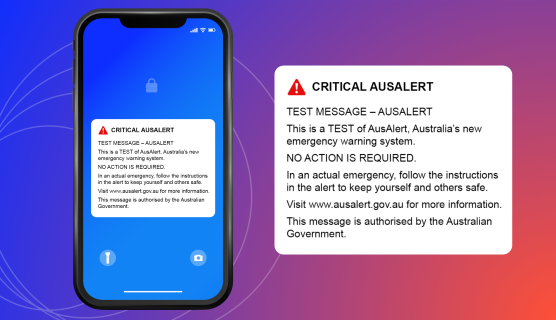
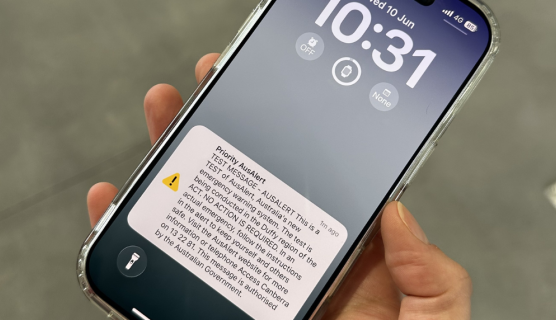
The AusAlert message will display the alert level:

  • Critical Alert: This is the highest level of warning. You may be in danger. You should act immediately. Your device will make the sound and vibrate even if your device is on ‘silent’ or ‘do not disturb’
  • Priority Alert: There is a high level of threat. Conditions are changing. You should watch and act. Your device won’t vibrate or make the sound if it’s on ‘silent’ or ‘do not disturb’.  

Critical Alerts cannot be disabled on your device. Turning off AusAlert notifications in your device settings will not stop a Critical Alert from being delivered. The only way to not receive a Critical Alert is to turn your mobile device off or switch it to aeroplane mode. We don’t recommend this, as AusAlerts contain important information and should be turned on to help keep you safe and informed during disasters. Read more about turning AusAlert messages off and how to read an AusAlert again.