Resilience starts at home this International Day for Disaster Risk Reduction

Image of a blue arm holding a colourful umbrella with the text International Day for Disaster Risk Reduction
On this page

Resilience starts at home this International Day for Disaster Risk Reduction

Image of a blue arm holding a colourful umbrella with the text International Day for Disaster Risk Reduction
Written
  • Resilience and risk reduction

In 1989, the United Nations decided to observe an International Day for Disaster Risk Reduction. The original plan was for this day to be observed for just for ten years, however now we celebrate on 13 October every year. It was started as a global initiative to encourage and promote risk-reduction attitudes and actions.

37 years later, as we enter the next Higher Risk Weather Season looking at how we can reduce risk and build resilience is more important than ever. Governments, emergency services, businesses, community organisations and individuals all have a role to play in understanding risk and acting before disaster strikes.
Resilience starts at home

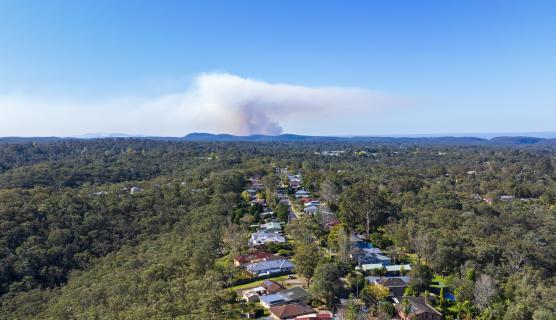
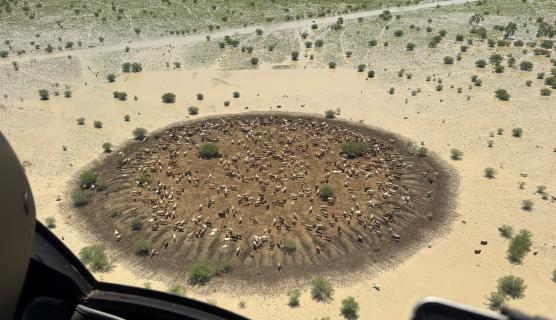
Home means different things to every Australian, but it is often where the impacts of disasters are felt most directly. Wherever home is, there are practical steps we can all take to become better prepared for hazard events and reduce our disaster risk.
Resilient homes depend not only on individual action but also on the systems that keep people safe, connected and secure. Individuals can prepare and make informed choices, while governments, industry and service providers have responsibilities to reduce risks people cannot manage alone.

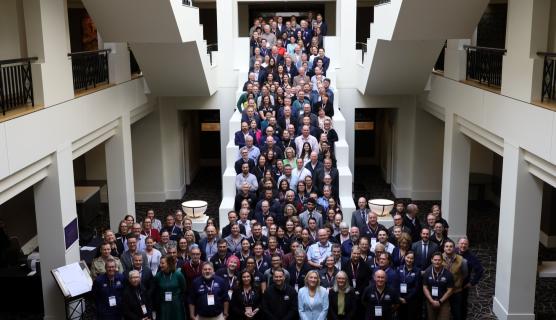
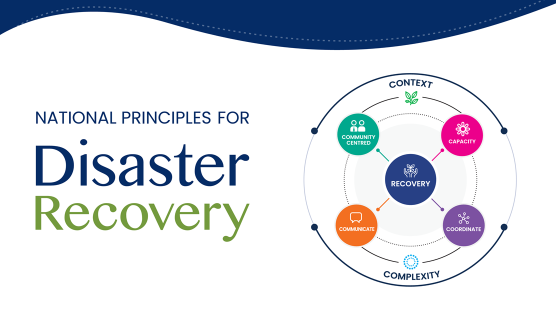
NEMA works with all levels of government, industry, researchers, not-for-profit organisations and communities to reduce disaster risk and strengthen Australia’s resilience.

NEMA’s work at home

International Day for Disaster Risk Reduction is an opportunity to reflect and reaffirm the way NEMA supports national coordination, preparedness and long-term investment in projects that help reduce disaster risk. Our work includes:

  • National Resilience Action Library: a public collection of evidence-based flood, bushfire, hail, storm, and tropical cyclone risk mitigation activities that households can implement.
  • Natural Hazards Awareness Modules: a set of information packs that help households and communities to better understand relevant mitigation activities and encourage them to take action to reduce risk.
  • National Disaster Risk Reduction Framework and Second National Action Plan: provides shared direction for coordinated action to reduce disaster risk.
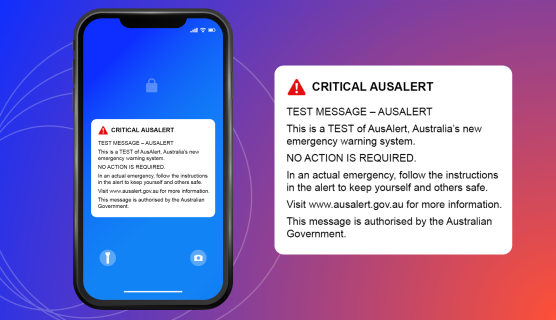
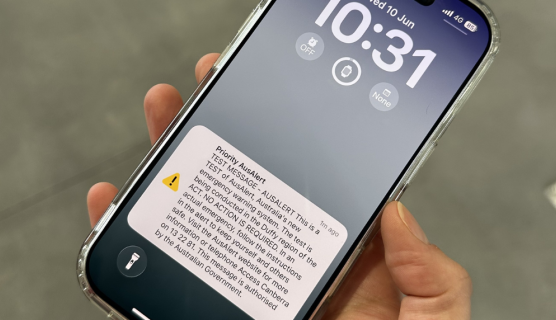
  • AusAlert: a new national emergency warning system that will send urgent messages to compatible devices in a specified area.
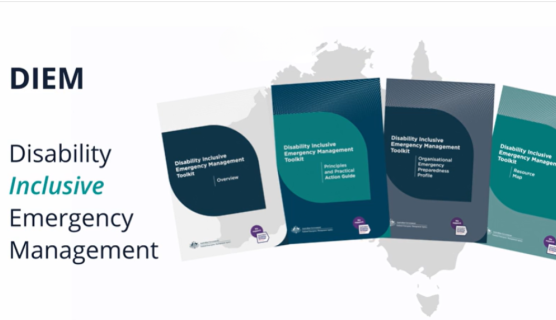
  • Disability Inclusive Emergency Management Toolkit: helps to embed disability inclusion in emergency preparedness planning, developed with the University of Sydney.
  • Hazards Insurance Partnership: brings governments and the insurance sector together to reduce disaster risk and help improve the affordability and availability of insurance.
  • Disaster Ready Fund: provides up to $1 billion over five years from 1 July 2023 to help Australian communities prepare for and reduce the impacts of disasters.

Find out more about International Day for Disaster Risk Reduction.