Reflections from the 2026 NIDR Gathering

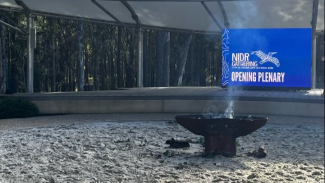
Photo of a sandy area with a bench seat around the edge, a smouldering fire pit in the centre, and a screen behind that says NIDR Gathering Opening Ceremony.
On this page

Reflections from the 2026 NIDR Gathering

Photo of a sandy area with a bench seat around the edge, a smouldering fire pit in the centre, and a screen behind that says NIDR Gathering Opening Ceremony.
Written
  • Resilience and risk reduction
  • Event

Earlier this month, NEMA representatives attended the 2026 National Indigenous Disaster Resilience (NIDR) Gathering. The Gathering offered a valuable platform to listen, collaborate, and engage in critical discussions on the impacts of disasters on First Nations communities, and the role of Indigenous leadership can play in enhancing disaster resilience across the country. The following reflections capture a few insights from Jolene and Joe from our Coordination and Planning Branch who attended the NIDR Gathering.

This year attendees gathered on Gunaikurnai Country in Lakes Entrance, Victoria for a multi-day event celebrating Indigenous leadership in emergency management, community recovery, disaster resilience, and caring for Country. The Gathering brought together a diverse range of participants from the emergency management sector and Indigenous organisations to share knowledge, strengthen connections, and advance Indigenous-led approaches to disaster resilience.
Attending the NIDR Gathering

NEMA representatives were in attendance across the three days, listening, learning and taking part in discussions. It was also an opportunity to connect with key emergency management stakeholders and strengthen the community relationships that are critical to our work.

In reflection, Joe and Jolene said “attending this event, enabled us to deeply listen to, and understand the breadth and depth of initiatives, and opportunities for collaboration.”

The event showcased the work of Indigenous leaders who are helping to build disaster resilience in their communities. Listening to these voices is vital to ensuring our policy and operational response effectively address the disproportionate impacts of disasters on First Nations communities, as outlined in the Australian Government’s commitments under the National Agreement on Closing the Gap.

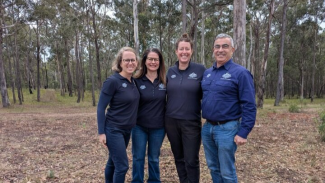
Photo of 4 people wearing NEMA branded shirts, standing in the bush.

NEMA representatives (L–R) Charlotte Nicol, Sally Kuschel, Jolene Goulton and Joe Rettino at the 2026 NIDR Gathering.

Some key takeaways

The Gathering highlighted work being undertaken by Indigenous-led groups, including Aboriginal Community Controlled Organisations (ACCOs), Indigenous Rangers and Traditional Owner groups across the emergency management continuum. This included initiatives to care for Country and reduce disaster risk through cultural burning; providing relief support directly to communities in the immediate aftermath of flooding and cyclones; and engagement in emergency preparedness and planning at the community level to enhance culturally safe emergency responses.

After the event, Jolene said “We are eager to continue to grow our understanding of the role ACCOs play and tailor the support we can offer to Indigenous communities in disaster management.”

Listening, learning, and partnering with Indigenous leaders and organisations s essential to ensuring that government programs and supports are designed to better meet the needs of Indigenous Australians. 

For Jolene and Joe, the experience highlighted the importance of actively listening to communities, strengthening partnerships, and linking local knowledge with national policy. This helps us to deliver more inclusive, locally informed outcomes across Australia.