A day in the life: Working in the National Situation Room

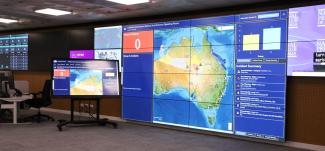
Photo in a room with many large floor-to-ceiling screens showing a map of Australia and list of active hazards.
On this page

A day in the life: Working in the National Situation Room

Photo in a room with many large floor-to-ceiling screens showing a map of Australia and list of active hazards.
Written
  • Case study

The National Situation Room (NSR) is a whole-of-government all-hazards monitoring and reporting facility. Operating around the clock, it plays a crucial role in safeguarding the nation.

Through close collaboration with government departments, industry partners and specialist agencies, the NSR delivers timely, accurate information and expert analysis to aid good decision making.

To find out more, we spoke with Drusilla, a dedicated team member in the NSR, to provide a genuine insight into her experiences and daily responsibilities.
What’s it like working in the NSR?

There’s never a dull moment working within the NSR. Operating 24/7 in an ever-changing environment means our roles can be challenging, as we’re often required to provide timely situational awareness on multiple events at once. That said, the positive impact NEMA has on the community before, during, and after a significant event makes it all highly rewarding.

What challenges do you face in your role, and how do you overcome them?

When I began this role, I had very limited exposure to what was within the full scope of NSR operations. For example, managing the National Security Hotline, which extends beyond weather events. However, I was able to overcome these challenges by utilising available resources and drawing on the collective expertise of the entire NSR Operations team.

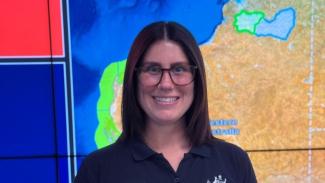
Photo of Drusilla in front of a screen with a map of Australia.

What’s the most rewarding part of your job in the NSR?

Knowing the impact we have on the community. I always wanted to find a career where I felt I was making a difference in this world. Working within the NSR, something so minor that we handle could have a big impact or potentially help save lives.

Is there anything about your job that people might find surprising?

Everything! When I explain the NSR’s work, the typical reaction I receive is, “Wow, that sounds so interesting.” Our shift team operates on a rotational schedule with 12-hour shifts covering two days, followed by two nights, then four days off. The NSR provides careers for anyone interested in National Security and Emergency Management. I can positively say it has been the best move in my career, and I am looking forward to seeing how I grow within the NSR.

If you want to find out more visit National Situation Room | NEMA.