
Round Three of the Disaster Ready Fund (DRF) will deliver about $200 million to 96 successful applicants across the country. As communities face increasing risks from disasters including bushfires, floods and cyclones, the DRF continues to play a crucial role in building local resilience and supporting those most at risk.
The third round of the Disaster Ready Fund is helping make our communities stronger
On this page
The third round of the Disaster Ready Fund is helping make our communities stronger
Innovation to build resilience
The true value of the DRF lies in its ability to empower local communities.
By providing funding and support to local community projects, the DRF enables Australians to better prepare for disasters, cope during emergencies, and recover afterwards. Essentially, the DRF is making it possible for communities to build resilience at a local level, whether that’s through improved infrastructure, better communication systems, or tailored outreach programs.
These projects not only help reduce the physical and financial impacts of disasters but also foster a sense of community connection and shared responsibility.
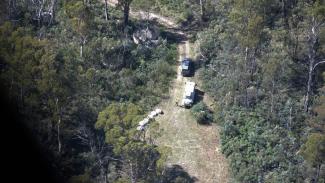
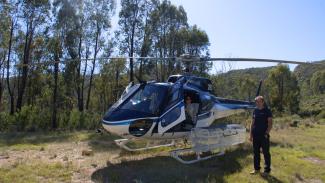
A helipad drop site with supplies. Photos are from a successful DRF Round One project in Tidbinbilla Nature Reserve, ACT.
Round Three highlights
When talking about Australian Government funding, it can sometimes be hard to picture what this looks like on the ground. Here are a few examples of the types of projects that received Round Three funding:
- Upgraded emergency infrastructure
Several councils will receive funding to retrofit community halls and sporting clubhouses, ensuring they can serve as safe shelters during emergencies. - First Nations-led initiatives
Grants have been awarded to Aboriginal and Torres Strait Islander communities to support traditional land management practices and disaster risk education tailored to local needs. - Innovative technology projects
Community groups are implementing early warning systems to keep residents informed during critical events. - Support for vulnerable populations
Not-for-profits will use funding to run outreach programs for elderly residents, people with disabilities, and those with limited English, ensuring no one is left behind during a disaster.
All 96 projects receiving funding in this round will have a positive impact on their local communities. While it’s impossible to pick a favourite, here is a spotlight on 4 significant projects receiving DRF funding in Round Three:
National Get Ready Project
The ‘National Get Ready’ project is a nationwide effort to build disaster preparedness for all Australians. Drawing on the successful Get Ready Queensland model, this project will establish a framework that delivers strategic direction, governance and resource-sharing arrangements at a national level, while ensuring that solutions are tailored to local needs. By fostering collaboration across states and territories, the project empowers communities with the tools, knowledge and support needed to prepare for, respond to and recover from disasters.
Culturally Inclusive Disaster Planning and Exercising Project
The ‘Culturally Inclusive Disaster Planning and Exercising’ project in Queensland is a collaborative initiative with First Nations peoples on Country. The project aims to integrate traditional, cultural and local knowledge, practices and language into Local Disaster Management Plans and disaster management practices. By working closely with local communities, the project will gather and document generational knowledge, ensuring that disaster planning is both culturally sensitive and informed by the lived experiences of First Nations peoples.
Care and Prepare Toolkit: Supporting School Communities’ Wellbeing
The ‘Care and Prepare Toolkit’ project will develop and deliver resources for Australian primary and secondary school communities to strengthen preparedness for the mental health and wellbeing impacts of disasters. Led by headspace, the project will provide customized workshops and resources, supporting schools to implement activities that build awareness, knowledge and confidence. The initiative aims to build resilience in children, young people and adults by equipping them with the capacity to prepare for, respond to and recover from disasters.
Mitigating Seawater Inundation Risk in South Carnarvon
The ‘Mitigate the risk of seawater inundation of South Carnarvon’ project aims to extend, upgrade and heighten the town’s surge wall and coastal levee system. With Carnarvon facing an extreme risk of seawater inundation within the next 25 years, this initiative will upgrade protective structures to better safeguard the community from this significant hazard.
Looking ahead
As we congratulate the successful applicants of Round Three, it's clear that the DRF is more than just a grant program, it's a catalyst for positive change. By supporting local solutions to local challenges, we are building a safer, more resilient Australia for everyone. These projects will have a lasting impact on our communities, now and into the future.
Explore the full list of successful DRF Round Three projects.
Related articles
-
 The 2025–26 Higher-Risk Weather Season lives up to its nameThe 2025–26 Higher-Risk Weather Season saw intense storms, flooding, bushfires, and extreme heat.
 -
 Lismore unveils new flood pumps to enhance city protection and resilienceThe new flood pumps are replacing old stormwater removal units previously powered by tractors.
 -
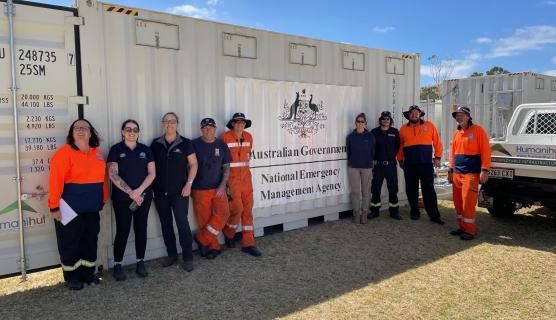 Ready when it matters most: supporting firefighters at Wirrina CoveThe National Emergency Management Stockpile set up a Humanihut accommodation camp at Wirrina Cove in South Australia, to support firefighters.
 -
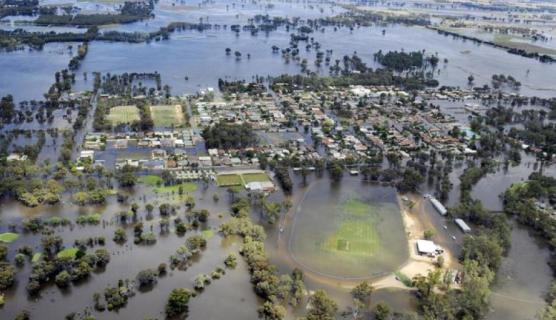 Numurkah Staff Ride: a rollercoaster of lessonsIn 2012, Numurkah experienced one of Victoria's worst flood events. Annual exercising means we can still learn from it today.
 -
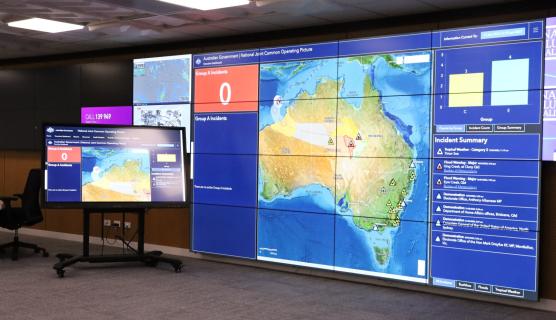 A day in the life: Working in the National Situation RoomWe spoke to an NSR team member to get a real insight into the experience and daily responsibilities of working in a 24/7 environment.
 -
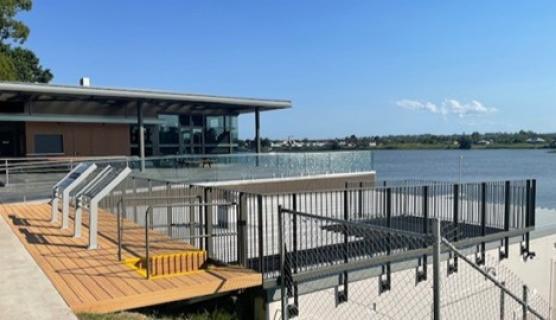 Building stronger regional communities through sport and recreationWe have supported a range of projects that strengthen local sport and recreation infrastructure to contribute to long-term community resilience.
 -
 Women at the heart of emergency managementThis International Women’s Day, we reflect on the theme ‘Balance the Scales’ by recognising the critical role women play across emergency management.
 -
 2025 in review: a year of collaboration, coordination and capability buildingHow numbers tell the story of preparedness, response, relief and risk reduction.
 -
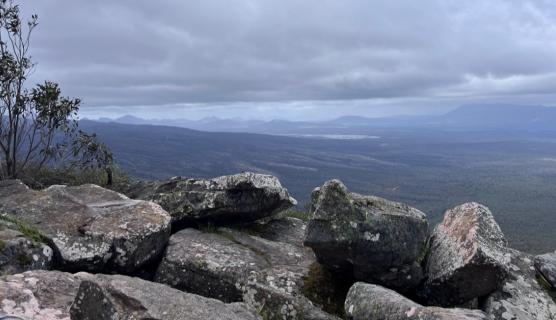 Connecting government leaders with recovering communitiesAssistant Minister the Hon Josh Wilson MP recently visited the Grampians in western Victoria to see firsthand the resilience of communities still recovering from compounding disasters.
 -
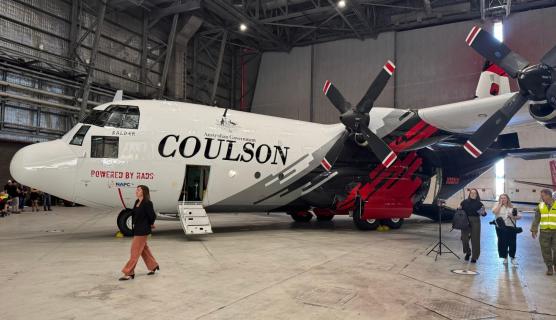 Ready to respond and fight fires from the airAs Australia braces for the 2025–26 Higher Risk Weather Season, the Australian Government-supported National Aerial Firefighting Fleet is in position and ready to respond when a crisis strikes.