Lismore’s roads are set to receive significant improvements

 Major Pavement Restoration Program to strengthen the local road network and improve resilience against future flooding and severe weather.
On this page

Lismore’s roads are set to receive significant improvements

 Major Pavement Restoration Program to strengthen the local road network and improve resilience against future flooding and severe weather.
Written
  • News
  • Resilience and risk reduction
  • NSW

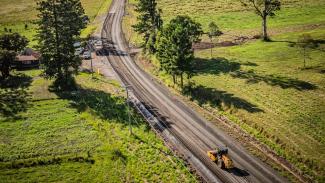
More than 100 locations across 49 rural roads will be rehabilitated to improve resilience against flooding and severe weather. Roads include Broadwater, East Coraki, James Gibson, Koonorigan, Nimbin, Stony Chute, and Tregeagle.

The Pavement Restoration Program uses sustainable pavement stabilisation methods, reusing existing materials with minimal overlay. These upgrades improve durability and moisture resistance, while keeping roads open and traffic moving.

This work complements Lismore’s ongoing Landslip Restoration Program, which will remediate up to 60 landslips, delivering safer, stronger, and more reliable roads for the community.

For motorists, the benefits are also clear: roads can be resurfaced and reopened in less time, reducing traffic disruption and 
Major Pavement Restoration Program to strengthen the local road network and improve resilience against future flooding and severe weather.

Major Pavement Restoration Program to strengthen the local road network and improve resilience against future flooding and severe weather.

The project is jointly funded by the Australian Government and New South Wales Government under the Disaster Recovery Funding Arrangements and is being delivered by Lismore City Council.

State and territory governments are best placed to identify the type and level of assistance their communities need following a disaster. This is part of their responsibility for disaster and emergency management. The National Emergency Management Agency is here to support the states and territories deliver that assistance.