NEMA Coordinator-General, Brendan Moon: Thanks very much Minister. Each event since the Black Summer bush fires of 2019, and there have been over 200 of them, have reminded us of the importance of the fact that communities that understand the risk that they face are safer and recover more quickly.
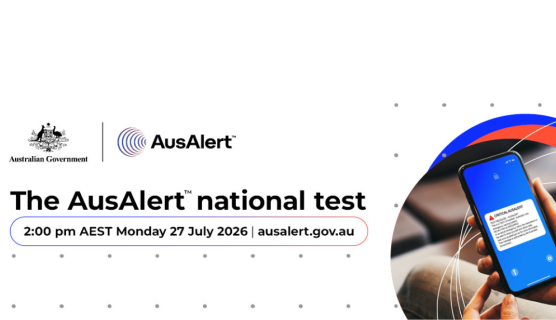
AusAlert will deliver on that urgent, vital need of our community for information surrounding those threats and those hazards that they will face.
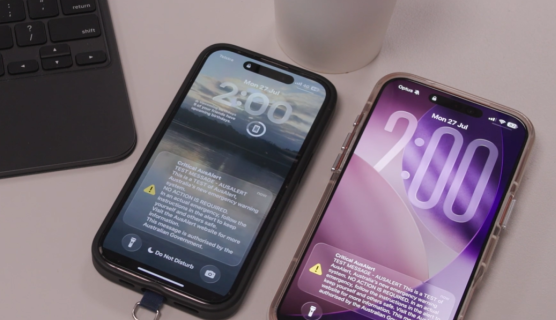
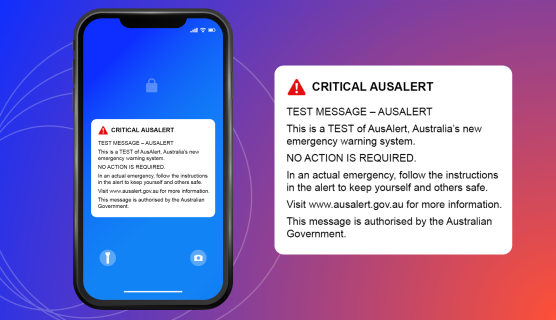
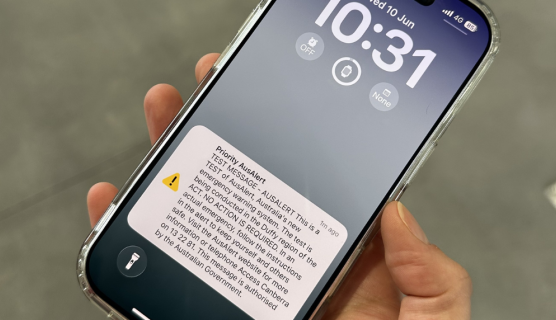
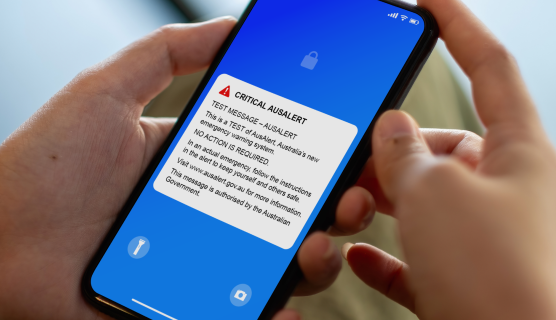
It provides a real time emergency warning at scale, and also, we can geolocate it down to quite small areas as well. It will alert people to the type of hazard that they are facing, its severity, whereabouts and importantly, what action to take, and this continues to deliver on our entire Australian warning system.
It is a warning system that is based on multiple channels. It includes social media. It includes the media sending out alerts. But importantly, this is using the latest technology to provide immediate alerts to our community, and it continues the further investment the Australian Government are making in terms of building truly scalable national capabilities to ensure our communities are safe no matter what the threats are that they face.
Journalist: Getting the alert itself is one thing, then those regional communities being able to make a call to emergency services, friends, family is another. The NFF’s been calling for mandatory back up for cell towers, temporary disaster roaming. Will you implement something like that to complement this new system?
Brendan Moon: So many of those enhancements to the system are currently underway. Not only from a technology perspective, but also from the emergency management arrangements as well, where priorities now are provided to our mobile network operators, our power companies, to access sites that are having challenges in terms of service delivery. So a lot of those enhancements, we've learned the lessons from many, many events now, to ensure that the delivery of critical services, whether it's telephony, whether it's power, whether it's water or sewerage, they have priority in terms of how we respond.
Journalist: And you want to get it up and running by this year. Is that in anticipation of a particularly bad season?
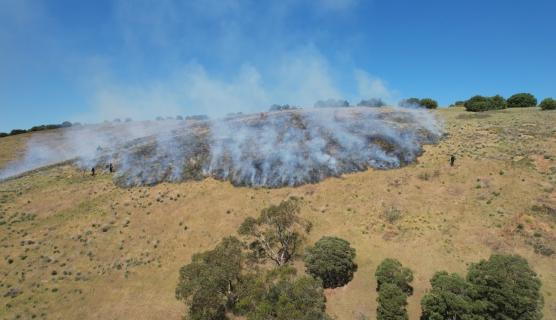
Brendan Moon: I think our experience in the last five years would suggest and as I mentioned earlier at the top of this conference, in the last five years we've had over 200 events. This year alone we’ve dealt with bushfires, cyclones up north, we're dealing currently with flooding in central Australia, we've had Bondi as well. And I think COVID was an important reminder for us there are some risks and threats out there that we don't fully understand at this point in time. This is a core investment by all emergency services at a state level, at a territory level and the Commonwealth Government to ensure we can alert our community to whatever threat comes.
Journalist: Minister, looking at other countries, in the US every Wednesday a warning alert is broadcast on TV, radio and phones. Have you looked, did you look at something like that, where it encompasses all technologies, or more technologies?
Brendan Moon: So we've looked and engaged with international providers for AusAlert for a number of years now in the build. So we've looked at a range of technologies that others have used, and also how effective they have been. And the design of AusAlert here in Australia is particularly tailored to our mobile network operators, our systems and also our communities.
Read the full transcript on the Minister for Emergency Management's website.
Photo: ABC