When the water rose, so did the community

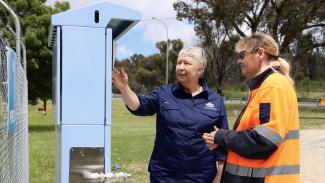
Photo of Karen and another lady standing looking at a community notice board.
On this page

When the water rose, so did the community

Photo of Karen and another lady standing looking at a community notice board.
Written
  • Early recovery
  • Response
  • Flood

When most of us think about floods, we picture news footage of rising water levels. For Karen Symons, a National Coordinator in our Capability and Planning Branch, the 2022 Northern Rivers floods were not something she watched on a screen, they were something she lived.

During one of Australia’s most devastating flood events, Karen packed a suitcase and set out to Casino in New South Wales to support the recovery effort. Her story is about people, patience and the power of small actions.
Arriving in the Northern Rivers

Nothing prepared Karen for what she saw on her first day.

“Driving into Lismore I saw aircrafts and shipping containers in paddocks and a small plane wrapped around a tree. An ATV was hanging in the powerlines. Traffic lights were out. Fences had bundled cars and garden furniture were in piles against house walls. The CBD was heavily impacted and unusable,” she said.

She remembers the feeling of stepping into that landscape.

“The landscape was foreign and very eerie. The scope of the disaster engulfs you and you cannot help but imagine the terror that night had brought.”

Karen split her days across 2 Recovery Centres, travelling to impacted areas as needed. Each day brought new stories, challenges and problem‑solving. The people she worked alongside soon became trusted colleagues.

There were moments of reprieve too. “A barbecue at a staff home in Casino with Recovery Centre staff and defence force personnel. It was so refreshing to step out of the recovery vibe and just enjoy the evening,” she said.

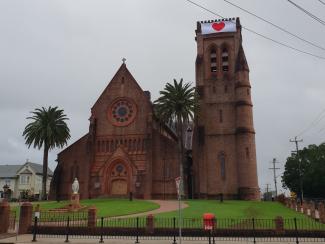
Photo of a church with a large red heart banner at the top of a turret.

Moments that stay with you

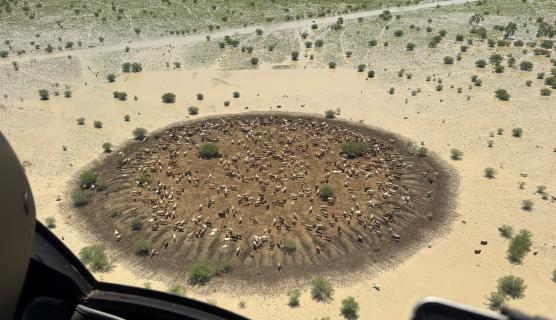
Many memories have stayed with Karen. She recalls a mother holding her daughter’s hand and hoping that the words ‘no flood cover’ might somehow have a different meaning this time. She remembers staff searching for earphones to calm a child as heavy rain hit the Recovery Centre roof, and the fear that swept across the community as a second flood approached. There were also moments that raised difficult questions, like how to manage the deceased cattle and what to do when a resident refused to leave their damaged home.

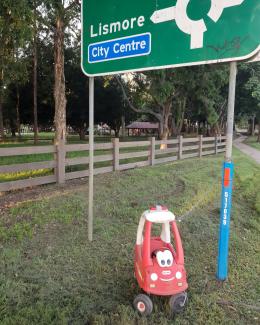
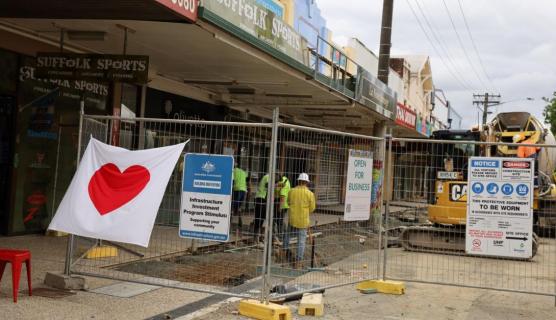
But alongside the heartbreak, Karen saw glimmers of hope. “The red love hearts that spread across Lismore became so uplifting, and I remember the first time an outdoor café opened in the CBD and locals and tradies were sitting outside enjoying a cup of coffee in the middle of a car park. I remember the community spirit, free barbecues and the mountain of donations, and the touches of humour like the little toy fire truck beside the Lismore road sign,” she recalled.

“A deployment like this puts what you do into real perspective. It is so much more than paperwork and policy. You realise it is about making a real difference to people who are living a nightmare.”

Lessons learned

Karen says one of the most important lessons she learned was the value of slowing down and listening.

“One resident told me how hard it was to reach the Recovery Centre after losing his car in the flooding, and that conversation led to a free community bus service because he was not the only one without a vehicle,” she said.

She also discovered just how meaningful small wins can be. “Solving smaller problems contributes in a measurable way,” she said.

She also learned how to recognise and manage vicarious trauma, and to stay empathetic in emotionally intense situations. Extended deployment fostered stronger bonds and made recovery more authentic.

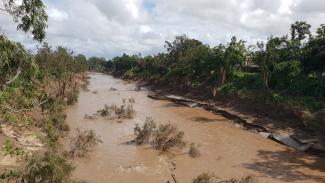
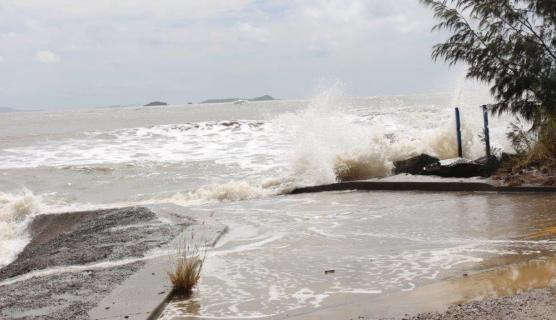
Photo of a flooded river with very brown murky water and damaged concrete along the riverbank

The value of being there

Karen’s previous experience across the National Bushfire Recovery Agency (NBRA) and the National Recovery and Resilience Agency (NRRA), which later merged to form the National Emergency Management Agency (NEMA), shaped the way she responded during the floods.

She saw first‑hand how crucial liaison and real‑time situational awareness were for effective recovery.

“I worked in the recovery space, and the value of on-the-ground intelligence was so important for the agency, because it allowed quick responses to real needs, like shower and laundry facilities for displaced residents. Until this gap was identified no one was looking for a solution, and you do not know what you do not know,” she said.

Even with thorough planning, each disaster brings something new where judgement and adaptability help fill the gaps.

Team NEMA spirit 

Karen felt proud to stand alongside what was to become Team NEMA during this time. “The lessons from this event have contributed to NEMA’s maturity as an emergency management agency. Continuous improvement helps us better support jurisdictions as they plan for and navigate new events,” she said.

She also valued being able to share the gratitude of the Northern Rivers community with the NRRA team.

Looking ahead

Karen has since reflected on water security, risk and resilience.

“We enjoy reasonable water security here in Australia, and I would highlight the importance of keeping women involved in planning and policy, as women were among the majority of visitors to the Recovery Centres in Lismore and Casino and their practical insight is vital for how we plan for and recover from floods,” she said.

Her respect for water has deepened. While we can plan, prepare and learn, some forces will always remain beyond our full control, which is why ongoing work in resilience and recovery remains so important.

Photo of a toddler toy ride-in firetruck with big eyes and a smile, sitting under a road sign to Lismore.